Why Massage for Stress Relief Supports Daily Wellbeing
Massage for stress relief helps your body shift out of a high-alert state. It eases muscle tension, slows the heart rate, and supports the body's "rest and digest" response (the parasympathetic nervous system). With regular sessions, many people sleep better, feel calmer, and move more easily.
This matters most for active adults dealing with pain, recovery demands, or constant work pressure. For them, regular massage can be a practical part of a bigger wellness plan.
Research suggests massage can bring short-term drops in stress markers, such as salivary cortisol (a stress hormone measured in saliva) and heart rate. It can also improve relaxation and heart rate variability. The benefits are greatest when massage is consistent and paired with the basics:
- Movement
- Sleep
- Breathing practices
- Medical or mental-health care when needed
At Transcending Health in Charlottesville, VA, we provide in-person clinical massage as part of an integrative wellness plan. You can find us at 1445 Rio Road East, Suite 201 F, Charlottesville, VA 22901. Our clinic can be reached at 434-465-2905.
I am Drew Edmondson. My work with massage for stress relief connects hands-on care with recovery, corrective exercise, and other tools. Together, these help people move and feel better day to day.
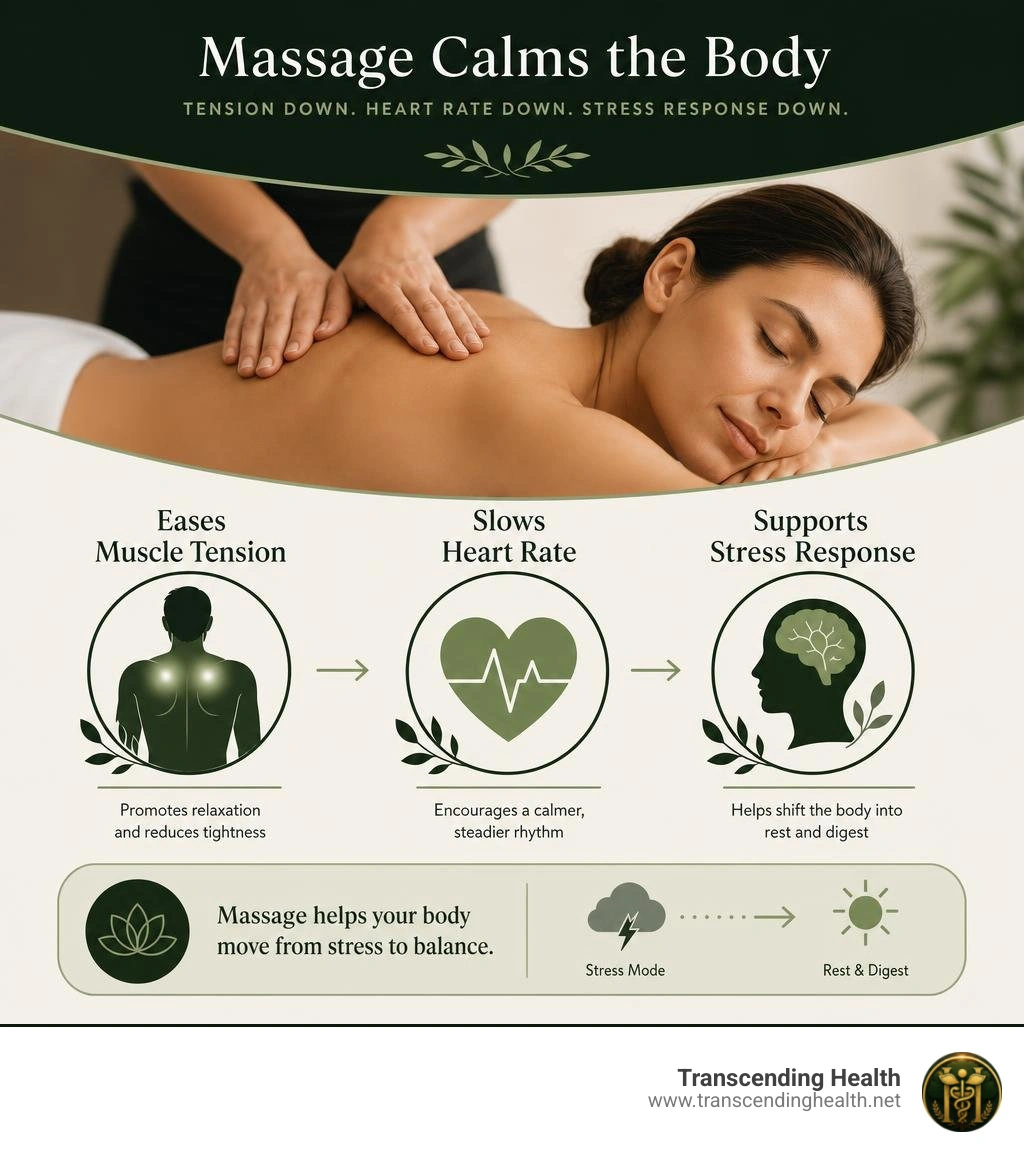
The Physiological Mechanisms: How Bodywork Calms the Nervous System
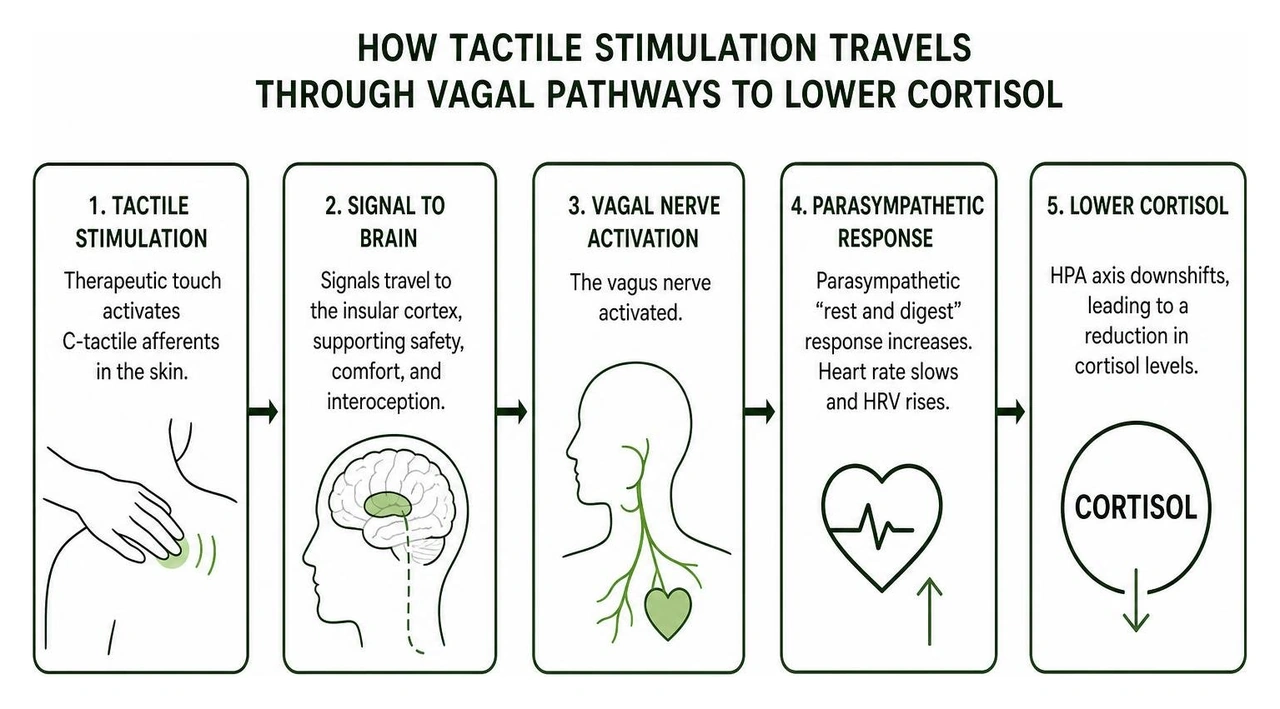
Under ongoing pressure, your body starts a survival chain reaction. It runs through the HPA axis (the hypothalamic-pituitary-adrenal axis), a hormone network linking the brain and adrenal glands. This network tells the adrenal glands to release epinephrine, norepinephrine, and cortisol into the blood.
This fight-or-flight surge is vital in a real emergency. But when it stays switched on, it causes problems:
- Chronic muscle bracing
- Higher resting blood pressure
- Digestive trouble
- Whole-body burnout
You can see how deeply this pattern takes hold by exploring how chronic stress lives in the body.
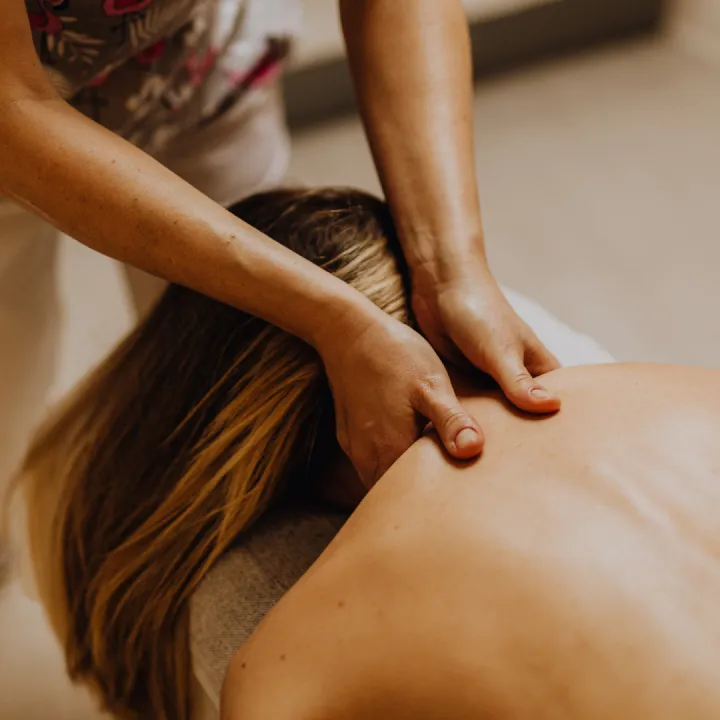
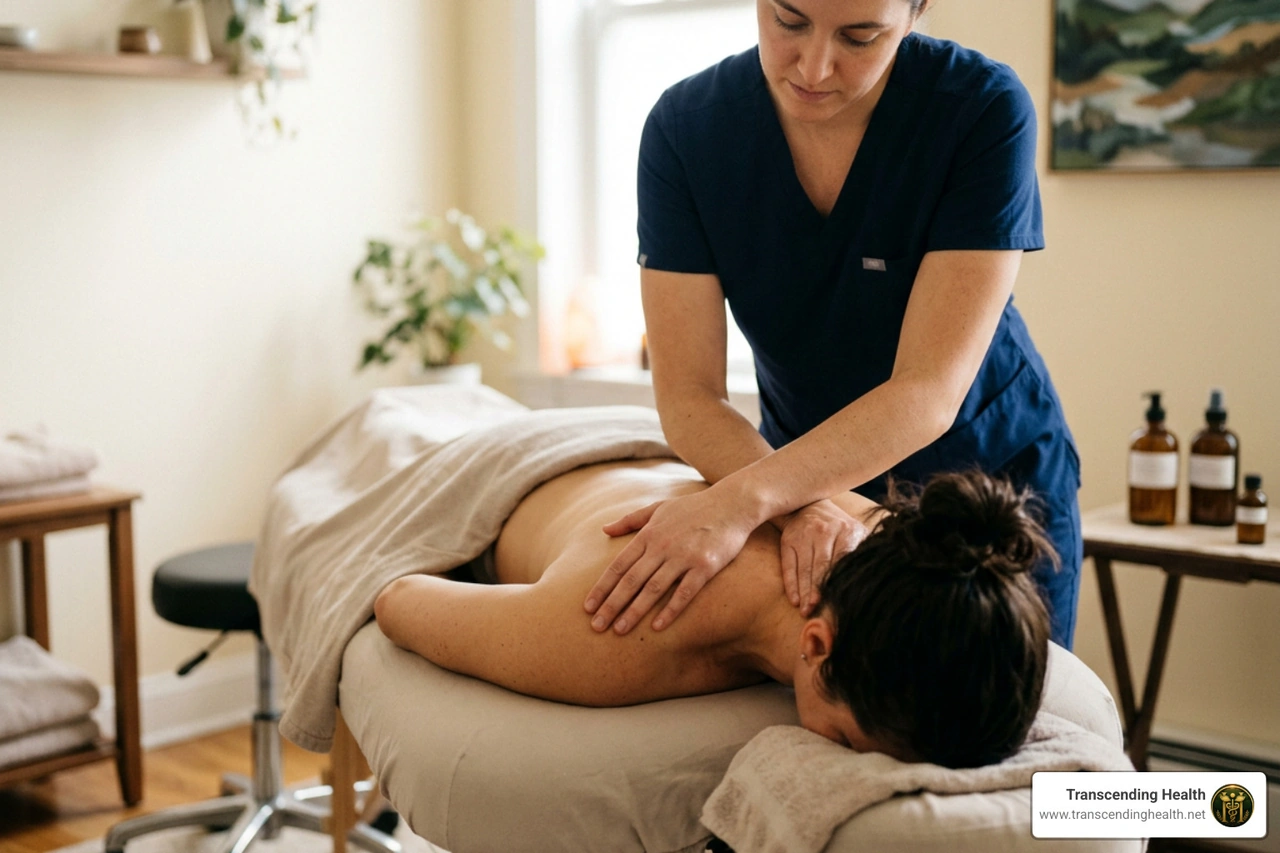
Therapeutic bodywork breaks into this loop through the skin and the layers of muscle and fascia. It works through several key pathways:
- C-Tactile Afferent Stimulation: Your skin has special nerve fibers called C-tactile afferents. They respond to slow, rhythmic, skin-to-skin touch. They send signals straight to the insular cortex, the part of the brain that senses your inner state, emotional safety, and body comfort. This touch tells your brain right away that you are safe.
- Vagal Nerve Activation: Deep, intentional touch stimulates the vagus nerve. This nerve is the main driver of the body's calming system. Clinical research on vagus nerve regulation and bodywork shows that hands-on work helps the body shift out of a defensive, on-guard state. It moves you into a calm, socially engaged state (called the ventral vagal state).
- Heart Rate Variability (HRV) Elevation: HRV is the natural variation in time between heartbeats. Higher HRV is a key sign of heart resilience, emotional flexibility, and a healthy nervous system. By engaging the "vagal brake," hands-on care quickly raises HRV. Studies show that as little as 10 to 15 minutes of targeted massage significantly raises high-frequency HRV. This means the heart is responding flexibly instead of staying locked in stress mode.
- Neuroendocrine and Neurotransmitter Rebalancing: Hands-on therapy interrupts the HPA stress loop. Systematic reviews show that about 89% of studies find immediate drops in salivary cortisol after a massage (Moraska et al., 2010). At the same time, massage prompts the nervous system to raise serotonin (often by up to 28%) and dopamine (up to 31%). These brain chemicals help steady your mood and support clear thinking.
The Science-Backed Benefits of Massage for Stress Relief
Massage therapy brings measurable physical and emotional recovery. It gives your body a real break from constant bracing. That break has positive effects across many connected body systems.
1. Cardiovascular and Blood Pressure Reduction
Chronic stress narrows the small blood vessels in your arms and legs. This forces the heart to work harder against stiff artery walls.
Controlled clinical trials show that a single 30-minute massage can lower both systolic and diastolic blood pressure by 4% to 8%. For people with high stress or borderline high blood pressure, regular bodywork offers ongoing heart support. It lowers resistance in the blood vessels and calms the heart's resting workload.
2. State Anxiety and Mental Health Support
Massage does not replace psychiatric care or counseling. Still, a large body of research reviewed in evidence-based stress relief research shows that moderate-pressure bodywork significantly lowers state anxiety scores. State anxiety is the anxiety you feel in the moment.
Steady, gentle touch gives the brain calm, non-threatening input. This interrupts anxious, looping thoughts and quiets the sense of being on high alert. It helps you find deep emotional balance.
3. Restorative Sleep Architecture
A stressed nervous system struggles to reach deep, restorative sleep. People often get stuck in light, broken sleep cycles.
Massage raises serotonin, which the body uses to make melatonin, the sleep hormone. Because of this, clients often fall asleep faster after a session. They also report deeper, uninterrupted REM sleep. This shift lets both the brain and soft tissues do their overnight repair work.
4. Somatosensory Decompression and Pain Interruption
Physical pain and emotional stress feed each other in a cycle. Long-term mental strain builds tension in certain muscles:
- The suboccipitals at the base of the skull
- The upper trapezius and levator scapulae in the neck and shoulders
- The jaw muscles (temporomandibular joint area)
This tension can trigger headaches and posture strain. Targeted bodywork restores local blood flow and flushes out waste products. It also dampens pain signals and promotes overall nervous system regulation.
| Physiological Marker | Response to Chronic Stress | Response to Therapeutic Massage |
|---|---|---|
| Cortisol Levels | Elevated (adrenal overdrive) | Reduced by up to 31% post-session |
| Autonomic Dominance | Sympathetic (fight-or-flight) | Parasympathetic (rest-and-digest) |
| Heart Rate Variability | Low / Depressed (rigid response) | Elevated (resilient autonomic tone) |
| Blood Pressure | Elevated (systemic vasoconstriction) | Systolic/diastolic reduced by 4–8% |
| Neurotransmitters | Depleted serotonin and dopamine | Increased synthesis (improved mood) |
Modality Selection and Treatment Planning
Choosing the right type of bodywork matters. It gives your body just the right amount of input to calm down. Too much can trigger muscle guarding or sensory overload.
Choosing the Right Technique: Massage for Stress Relief Modalities
Different techniques suit different needs. Your stress might show up mostly as mental burnout, emotional fatigue, or tension in one area. Here are your main options:
- Relaxation Massage: This style uses long, flowing strokes (effleurage), gentle kneading (petrissage), and steady rhythm. It is the gold standard for calming the nervous system. It activates the C-tactile nerve fibers without causing guarding or discomfort.
- Restorative Massage: This style blends slow fascia release, gentle passive stretching (traction), and sustained holds. It helps unwind stubborn tension patterns. It also gives your senses a calm, deeply supportive setting.
- Clinical & Deep Tissue Bodywork: Sometimes stress settles into dense muscle knots, posture habits, and trigger points. Deeper techniques help tissue glide again and ease long-standing tightness. Do you need whole-body calming or focused muscle rehab? Learn the difference between relaxation vs clinical massage.
- Trauma-Informed Principles: Clinical stress relief requires clear communication, secure draping, and pressure that you guide. You stay in control of the pace, pressure, and positioning at all times. This creates full safety and peace of mind.
How Often Should You Book a Massage for Stress Relief?
One workout can't build lifelong fitness. In the same way, one massage gives quick relief, but lasting change to your nervous system takes consistency. Building the power of slowing down works best with a planned schedule:
- High or Acute Stress Periods (Weekly for 3–4 Weeks): This fits times of severe burnout, major life changes, or sharp muscle tension. Weekly sessions help break the constant stress cycle. They retrain your nervous system to settle into rest mode.
- Bi-Weekly Support (Every 2 Weeks): This is ideal for active professionals, parents, or athletes with moderate ongoing demands. It prevents muscle guarding from building up and improves recovery between workouts. It also keeps your vagal tone (calming nerve activity) steady.
- Monthly Preventative Maintenance (Every 4 Weeks): This is a sustainable long-term schedule for general wellness and self-care. It keeps small daily stresses from building into chronic pain or ongoing tension.
Frequently Asked Questions About Stress Relief Massage
How quickly does massage therapy reduce physiological stress?
Measurable changes in the body happen within 15 to 30 minutes of hands-on therapy. Research shows that a single session quickly lowers heart rate and drops salivary cortisol. It also boosts heart rate variability, a sign of a calmer nervous system. All of this can happen before you even get off the table.
Can massage therapy help manage chronic anxiety and sleep disorders?
Yes, as a supportive, drug-free option. Massage lowers circulating cortisol and helps the body make serotonin. The brain turns serotonin into melatonin, which regulates sleep. Massage does not replace medical or psychiatric care. But it is a valuable add-on for easing the physical symptoms of anxiety.
What should you do following a session to prolong stress-relief benefits?
To keep the calm going after your session, try these steps:
- Drink plenty of water to stay hydrated.
- Avoid overstimulation right away, such as intense workouts, too much caffeine, or frantic screen time.
- Take a light walk, stretch gently, and breathe slowly from your belly.
These habits help your body lock in the nervous system reset.
Conclusion
Chronic stress doesn't have to control your daily comfort, posture, or mental clarity. A massage gives your body a safe, structured space to leave fight-or-flight mode. It lets deep, restorative repair begin.
At Transcending Health, we pair expert hands-on bodywork with advanced therapies. These include SoftWave acoustic wave therapy (shockwave), localized cryotherapy, structural integration techniques, corrective exercise, and personalized wellness coaching.
Do you live or work in Charlottesville, VA or the surrounding Albemarle County area? Our clinic at 1445 Rio Road East, Suite 201 F is here to help you move freely and build lasting physical resilience.
Take the next step in resetting your nervous system. Schedule professional massage therapy in Charlottesville with our team today through our online appointment calendar.
References
Moraska A, Pollini RA, Boulanger K, Brooks MZ, Teitlebaum L. "Physiological adjustments to stress measures following massage therapy: a review of the literature.." Evidence-based complementary and alternative medicine : eCAM, 2010. PMCID PMC2892349.